
If you've been wondering whether mom influencer marketing is worth your budget in 2026, this guide has your answer.
We'll cover what it is, why it works, how to find the right creators, what to pay, and how to measure results. All in plain English.
Whether you're a brand marketer exploring the channel for the first time or an influencer trying to understand how brands think, you're in the right place.
Let's get into it.
Table of Contents
- What Is Mom Influencer Marketing?
- Why Mom Influencers Are a Marketers' Dream
- The Different Types of Mom Influencers (and Which One You Need)
- What Brands Can Advertise With Mom Influencers?
- How to Find the Right Mom Influencers for Your Brand
- How Much Does Mom Influencer Marketing Cost?
- How to Run a Successful Mom Influencer Campaign
- How to Write a Creative Brief That Gets Great Results
- How to Measure Your Campaign ROI
- Working With a Mom Digital Marketing Agency
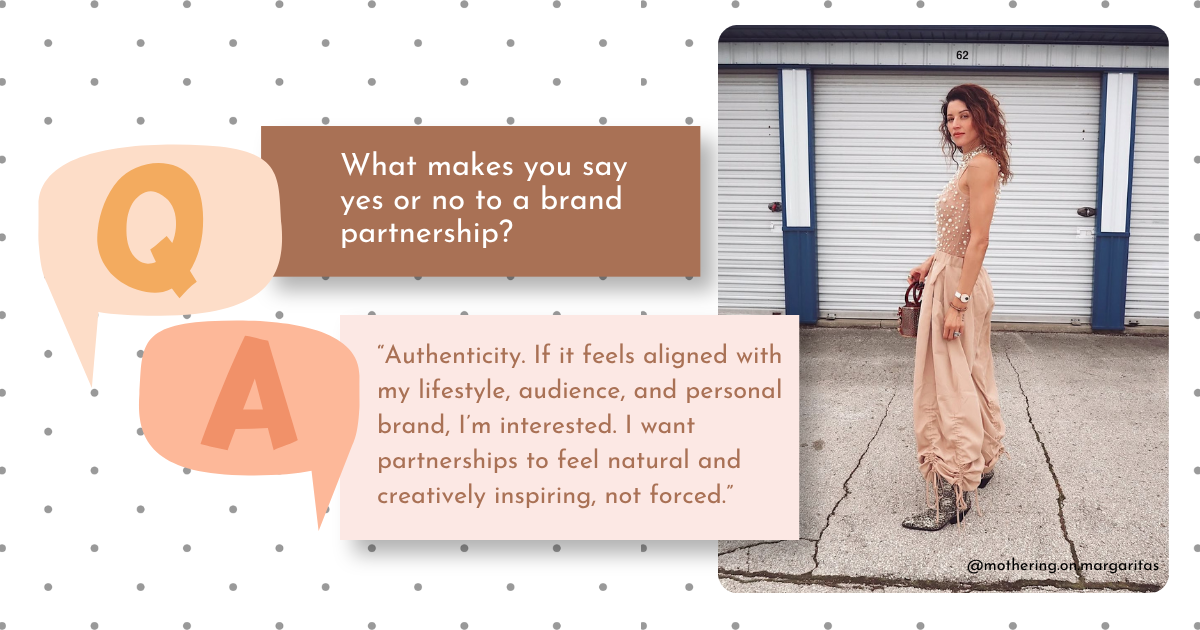
- What Mom Influencers Want From Brand Partnerships
- Common Mistakes Brands Make (And How to Avoid Them)
- Mom Influencer Marketing Trends for 2026
- FAQ
What Is Mom Influencer Marketing?
Momfluencer marketing is a strategy where brands partner with mothers on social media to promote products or services to a highly engaged, trust-based audience of other parents and families. These creators share authentic, relatable content across platforms like Instagram, TikTok, and YouTube, turning genuine personal recommendations into measurable brand results.
It's a subset of influencer marketing, but it punches above its weight. Why? Because moms aren't just an audience. They're the primary decision-makers in most households.
Moms control or influence over 85% of household purchases, from everyday groceries to electronics, healthcare, travel, and home furnishings. Their combined spending power reaches into the trillions. When a trusted mom creator says she loves a product, her followers listen and buy.
Unlike traditional advertising, mom influencer marketing works through peer trust. It's more like a friend's recommendation than an ad.
And in 2026, that trust is worth more than ever.
Why Mom Influencers Are a Marketers' Dream
The Numbers Don't Lie
The influencer marketing industry has grown from $1.7 billion in 2016 to over $32 billion globally in 2025, and it's on track to pass $40 billion in 2026. Mom influencers are one of the fastest-growing segments driving that growth.
Here's a quick snapshot of why this channel is so powerful:
| Stat | Why It Matters |
| Moms influence 85%+ of household purchases | Enormous reach into family budgets |
| 101.6% increase in mom influencers in the last 5 years | Supply and variety keep growing |
| $5.78 average return for every $1 spent on influencer marketing | Strong ROI benchmark |
| Micro-influencers deliver 3.2x higher engagement at 60% lower cost | Budget efficiency for smaller brands |
| 86% of U.S. brands now use influencer marketing | It's mainstream, not experimental |
Mom influencer marketing sits at the crossroads of high trust, high engagement, and high purchasing intent.
Moms Trust Other Moms
Here's the core insight: moms follow other moms because they see themselves in them. A creator who's juggling a toddler, meal prep, and a part-time job speaks directly to the lived experience of her audience. That shared reality builds a level of trust that a brand ad simply can't manufacture.
When a momfluencer recommends a stroller, a snack brand, or a cleaning product, her followers don't experience it as advertising, they experience it as advice from someone they trust. That's the channel's superpower.
Moms Are Online...A Lot
Millennial moms are digital natives. More than half use social media to inform purchases, and nearly half say they've been influenced by a creator to make a buying decision. Seventy percent browse and shop primarily through their smartphones.
This is an audience that is constantly online, constantly researching, and constantly looking for recommendations from people they trust. Meet them there with the right creator partnership, and you've got a direct line to conversion.
The Different Types of Mom Influencers (and Which One You Need)
Not all mom influencers are the same. The right type for your campaign depends on your goals, budget, and target audience.
Nano Influencers (1,000–10,000 followers)
These are everyday moms with small but deeply engaged followings, often local communities, niche parenting groups, or tight-knit friend networks.
Best for: Hyper-local campaigns, community building, gifted product trials, UGC (user-generated content)
Pros: Very affordable, high trust, authentic content
Cons: Limited reach, inconsistent content quality
Micro Influencers (10,000–100,000 followers)
The sweet spot for most brands. Micro mom influencers strike the ideal balance between reach, engagement, and cost. They've built loyal, niche audiences without sacrificing authenticity.
Best for: Conversion-focused campaigns, product launches, niche categories (organic food, baby gear, educational toys)
Pros: Strong engagement (often 3-5%), trusted voices, more accessible pricing
Cons: Requires vetting at scale if you're building a larger roster
Macro Influencers (100,000–1,000,000 followers)
These are professional creators with significant reach and polished content. They typically work with brand partners regularly and have established rates.
Best for: Brand awareness, national campaigns, trend-setting
Pros: Broad reach, high production quality, established audiences
Cons: Higher cost, lower engagement rates compared to micro
Mega Influencers (1M+ followers)
The top tier, celebrity-level mom creators with massive platforms and premium pricing. Think lifestyle brands, national product launches, or campaigns that need household name awareness.
Best for: Mass awareness, PR impact, major brand moments
Pros: Maximum reach, media value
Cons: Expensive, lower engagement, less targeted
UGC Content Creators (All Sizes)
Some mom creators don't post sponsored content at all, they create beautiful imagery and video purely for brands to use on their own social channels and websites. This is called UGC (user-generated content) or content-only creation.
Best for: Brands that need lifestyle content for their own feeds without the associated posting campaign.
As we outlined in our Influencer Marketing 101 for Brands guide, content creation is a powerful standalone strategy and often more affordable than a traditional photoshoot.
What Brands Can Advertise With Mom Influencers?
Almost anything that touches family life. That's what makes the category so versatile for marketers. Here are the most common brand categories that see strong results:
- Baby and toddler products - gear, feeding, clothing, nursery
- Kids' education and toys - apps, books, learning tools
- Family food and snacks - healthy eating, lunchbox ideas, meal prep
- Home and cleaning - products that simplify family life
- Personal care and wellness - skincare, fitness, mental health
- Fashion and style - mom style, kids' clothing, matching sets
- Travel and experiences - family-friendly destinations and gear
- Healthcare and supplements - pediatric care, prenatal vitamins
- Finance and insurance - family planning, budgeting apps
- Tech and apps - parenting tools, subscription services
The common thread? Products that solve real problems for families or make mom's life easier, better, or more enjoyable.
How to Find the Right Mom Influencers for Your Brand
Finding the right creator is the single most important step in a successful campaign. The wrong fit can waste your budget and damage trust. The right fit can transform your brand.
Start With Your Target Customer
Before you search for influencers, get crystal clear on who you're trying to reach. Ask yourself:
- What's the age range of the moms you're targeting?
- What stage of parenthood? (Pregnant, newborn, toddler, school-age, teens?)
- What lifestyle does she lead? (Urban, suburban, outdoorsy, minimalist?)
- What does she care most about? (Sustainability, budget, convenience, quality?)
Your ideal creator is someone who already lives and breathes your target customer's life.
Look for Authentic Alignment, Not Just Follower Count
Follower count is a vanity metric. What you actually want is:
- Engagement rate - Are her followers actually commenting, sharing, saving?
- Audience demographics - Are her followers your target customers?
- Content quality - Does she create the type of content that fits your brand?
- Brand safety - Is her feed on-brand? Check past partnerships.
- Values alignment - Does she talk about the things your brand stands for?
Platforms to Search
- Instagram - Still the most popular platform for mom creators; great for aspirational lifestyle content
- TikTok - Fastest-growing, ideal for authentic short-form content and viral reach
- YouTube - Best for long-form product reviews, tutorials, and deep-trust content
- Blogs/Pinterest - Strong for SEO-driven content, gift guides, and evergreen value
Use a Platform or Agency
Manually searching for and vetting influencers is incredibly time-consuming. Most brands working at scale use a dedicated influencer platform or partner with a mom digital marketing agency to streamline discovery, outreach, contracting, and reporting.
More on that below.
How Much Does Mom Influencer Marketing Cost?
Pricing in influencer marketing is highly variable, but here are realistic benchmarks for 2026:
| Category | Why It Works | Why It Works |
|---|---|---|
| Nano | 1K-10K | $50–$300 |
| Micro | 10K-100K | $300–$2,000 |
| Macro | 100K-1M | $2,000–$10,000+ |
| Mega | 1M+ | $10,000–$50,000+ |
These are rough estimates. Actual rates depend on:
- Platform - TikTok Reels and YouTube tend to cost more than static posts
- Content type - Video costs more than photos; content-only creation is often less expensive
- Deliverables - Number of posts, stories, reels, link-in-bio duration
- Usage rights - If you want to repurpose the content in ads, expect to pay more
- Exclusivity - Restricting them from working with competitors commands a premium
Gifted vs. Paid
Gifted collaborations (product-only payment) can work for nano influencers who genuinely want your product. But for anyone with over 5,000–10,000 followers, expect to pay.
As we covered in Influencer Marketing 101 for Brands, quality matters and influencers producing paid work for other brands will always prioritize those over gifted campaigns. If you want great content and authentic promotion, compensate fairly.
How to Run a Successful Mom Influencer Campaign
Step 1: Define Your Campaign Goals
Be specific. Are you trying to:
- Drive brand awareness? (Measure: reach, impressions)
- Generate content for your own channels? (Measure: content pieces delivered)
- Drive website traffic? (Measure: clicks, UTM tracking)
- Drive sales? (Measure: conversions, promo codes)
- Build a community? (Measure: followers, engagement)
Your goal shapes everything...which creators you choose, what you ask them to create, and how you measure success.
Step 2: Choose the Right Creators
Use the criteria above. Vet carefully. Check their last 10–15 posts. Look at comment quality (not just quantity). Read their captions. Watch their stories. Would you trust this person's recommendation if you were her follower?
Step 3: Reach Out Professionally
When contacting an influencer, always:
- Personalize your outreach (mention something specific about their content)
- Clearly explain what your brand is and what you're offering
- State what you're asking for and by when
- Be upfront about compensation
- Email is preferred over DM where possible
Step 4: Write a Great Creative Brief
This is where most brands drop the ball. A weak brief produces weak content. More on this below.
Step 5: Review Content and Give Feedback
Most contracts include a content review window. Use it. Be specific about what you want changed. But also give creators room to be themselves. That's why you hired them.
Step 6: Track and Measure
Use UTM links, promo codes, and platform analytics to track performance throughout the campaign.
How to Write a Creative Brief That Gets Great Results
The creative brief is the foundation of every good campaign. The more clearly you can communicate what you want, the better content you'll get.
A strong creative brief includes:
Brand overview: Who you are, what you sell, and what makes you different. Keep it short.
Campaign objective: What is the one goal of this campaign? Don't list five goals. Pick one.
Target audience: Who are you trying to reach? Be specific. "Moms aged 28–40 with kids under 5, interested in organic food" is better than "parents."
Key message: What is the single most important thing you want the audience to take away? One message, clearly stated.
Deliverables: Exactly what content you're asking for: 1 Reel, 3 Stories, 1 static feed post, etc.
Mandatory inclusions: Specific product features to mention, hashtags to use, handles to tag, links to include.
What to avoid: Competitors, certain claims, tones that don't fit your brand.
Content approval process: When do you need drafts? How many rounds of revisions are included?
Timeline and posting dates: Be clear and realistic. Give creators enough time to produce quality work.
On the momfluence platform, the campaign builder walks brands through each of these steps so you never miss anything. And the contract is built right in.
How to Measure Your Campaign ROI
One of the most common mistakes brands make is running a campaign and then not knowing how to evaluate it. Here's a simple framework:
Awareness Campaigns
- Reach - How many unique people saw the content?
- Impressions - How many total views did it receive?
- Share of Voice - Did your brand get mentioned beyond the paid posts?
Engagement Campaigns
- Engagement rate - (Likes + Comments + Saves + Shares) / Followers
- Comment sentiment - Are people asking where to buy? Tagging friends?
- Story interactions - Replies, poll responses, link taps
Conversion Campaigns
- Click-through rate - UTM tracking on links
- Promo code redemptions - Unique codes per creator let you attribute exactly
- ROAS (Return on Ad Spend) - Revenue generated ÷ Amount spent on campaign
- Cost per acquisition (CPA) - Total campaign cost ÷ Number of new customers
The industry benchmark is roughly $5.78 in return for every $1 spent on influencer marketing, but mom influencer campaigns, especially with micro creators in the right niche, often outperform that significantly.
Working With a Mom Digital Marketing Agency
For many brands, working with a dedicated mom digital marketing agency or influencer platform is the most efficient route.
What a Mom Digital Marketing Agency Does
A specialized agency handles the heavy lifting: creator discovery, audience vetting, outreach, negotiation, contracting, campaign management, content review, and performance reporting. They bring established creator relationships, industry expertise, and streamlined processes that would take an internal team months to build.
Why Specialize in Mom Creators?
A general influencer agency might give you access to thousands of creators, but lack the nuanced understanding of the mom market, like the content styles that resonate, the platforms where different parenting audiences live, the ethical considerations around featuring children, and the community dynamics that make mom creators so powerful.
Specialist platforms like momfluence work exclusively in this space, pre-screening creators for quality and brand safety, building campaign tools purpose-built for mom marketing, and connecting brands directly with vetted momfluencers.
When Should You Use an Agency vs. Go DIY?
Consider an agency or platform if:
- You don't have internal bandwidth to manage creator relationships
- You need to run multiple campaigns simultaneously
- You want access to a pre-vetted, quality-screened roster
- You're new to influencer marketing and want expert guidance
DIY might work if:
- You have only 2-3 specific creators in mind and a simple campaign
- You already have strong relationships with creators
- You have an internal team with influencer marketing experience
What Mom Influencers Want From Brand Partnerships
Brands often focus entirely on what they need from creators. But the best partnerships are mutual. Here's what mom influencers actually want:
Fair Compensation
This is number one. Creators are small business owners. Their time, talent, and audience took years to build. Lowball offers get ignored, or worse, generate bad word-of-mouth in creator communities.
Creative Freedom
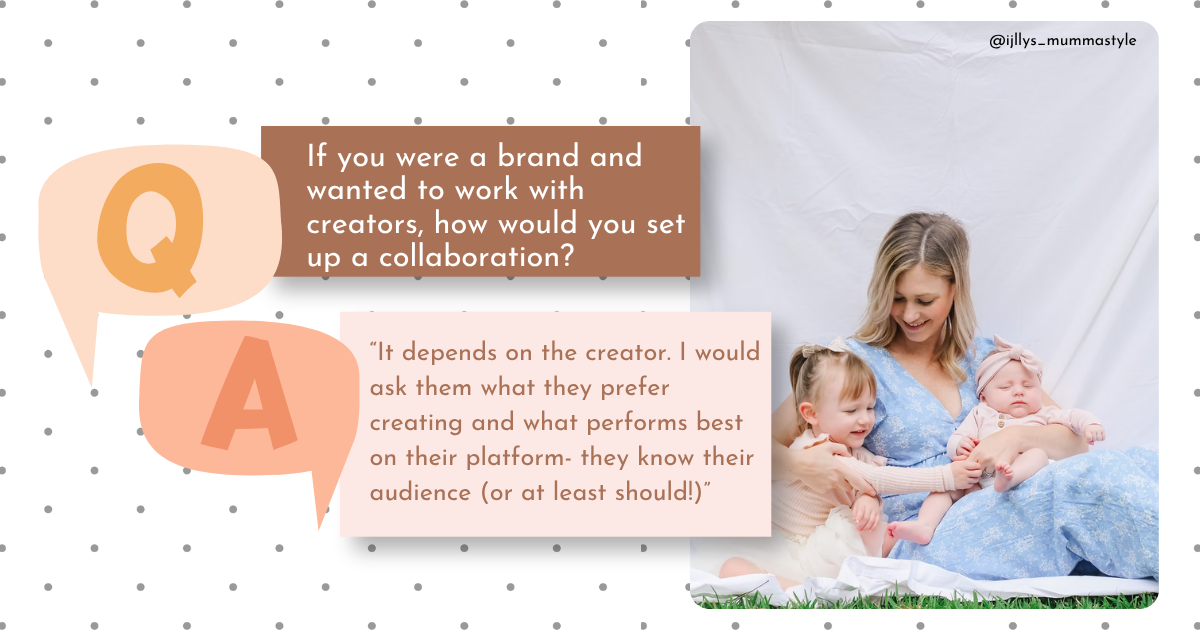
Sixty-five percent of influencers prefer to be involved in strategy development early rather than receive a rigid script. Over-directing a creator undermines the very authenticity you're paying for. Give them the brief, share your vision, then trust them to speak in their own voice.
Genuine Product Fit
Creators who actually love your product create far better content and their audience can tell the difference. Don't send your protein supplement to a mom whose feed is all about screen-free toys. Look for natural fit first.
Clear Communication
Creators want to know exactly what's expected: deliverables, timelines, payment terms, content approval process. Ambiguity causes frustration and delays.
Long-Term Relationships
The best brand-creator partnerships are ongoing. A creator who's been using your product for six months creates more credible content than one who received it yesterday. Invest in long-term partnerships when you find a great fit.
Common Mistakes Brands Make (And How to Avoid Them)
Mistake 1: Chasing Follower Count Over Engagement
A creator with 500,000 followers and a 0.5% engagement rate will deliver less value than a micro creator with 15,000 followers and a 6% engagement rate. Focus on the latter.
Mistake 2: Being Too Controlling With the Brief
The tightest briefs produce the most robotic content. Set clear guardrails, but give creators room to tell the story in their voice.
Mistake 3: Not Using Contracts
Always have a contract. It protects both parties, sets expectations clearly, and ensures accountability. As covered in our Influencer Marketing 101 guide, contracting doesn't have to be complicated. The momfluence platform builds it in automatically.
Mistake 4: Running One Campaign and Calling It a Test
Influencer marketing compounds over time. One post is rarely enough to evaluate the channel. Commit to at least 3–6 months of consistent activity before making a judgment call on performance.
Mistake 5: Ignoring FTC Guidelines
In 2026, disclosure rules are strictly enforced. All sponsored posts must be clearly labeled (#ad, #sponsored, or similar). Platforms like Instagram and TikTok have their own paid partnership tools. Make sure your brief includes disclosure requirements, and audit posts to confirm creators are complying.
Mistake 6: Forgetting About Content Rights
If you want to repurpose creator content in your own ads, email, or website, you need usage rights. Clarify this upfront in the contract. Many creators charge extra for extended usage.
Mom Influencer Marketing Trends for 2026
1. Micro and Nano Creator Campaigns Are Scaling Fast
Brands are moving away from one big macro campaign to many smaller micro and nano creator activations. The engagement data is clear: smaller creators, bigger returns. Platforms and agencies that can manage creator rosters at scale are growing fast.
2. TikTok Shop Is Changing the Game
More than half of brands are already using or planning to use TikTok Shop as part of their influencer strategy. The ability to buy directly from a creator's video has collapsed the funnel from discovery to purchase in seconds. Mom creators on TikTok are particularly well-positioned for this.
3. Long-Term Brand Ambassadors Over One-Off Posts
The most effective campaigns in 2026 are built around ongoing relationships. A creator who's been a brand ambassador for 12 months creates far more credible content than one doing a single sponsored post. Brands are investing in ambassador programs as a core channel strategy.
4. Authenticity Over Aesthetics
The highly curated, perfectly lit Instagram aesthetic is giving way to raw, real content. Moms sharing the messy truth of parenting are building the most loyal audiences. Brands that embrace imperfection in their creator partnerships are winning.
5. AI-Powered Discovery Is Improving Matchmaking
AI tools are now analyzing creator content, audience demographics, and engagement patterns to surface the right mom influencers for specific campaigns. This makes discovery faster, smarter, and more precise than keyword searches alone.
6. UGC for Paid Social Is Exploding
Brands are increasingly using creator content, especially from nano and micro moms, as raw material for their own paid social ads. UGC consistently outperforms polished brand creative in conversion testing. It's one of the highest-ROI uses of a mom influencer budget.
7. Mom Influencer Numbers Keep Growing
The number of mom influencers on social media has grown over 100% in the last five years, and that growth shows no signs of stopping. As Millennial and Gen Z women enter parenthood, the pipeline of new creators entering the space keeps expanding, bringing fresh voices, new niches, and growing audiences with them.
FAQ
How do I know if a mom influencer's audience is real?
Look at engagement quality, not just rate. Are the comments specific and conversational, or generic and emoji-only? Generic comments can signal bot activity. Specialist platforms typically vet creators for audience authenticity before they're listed.
Do mom influencers only work for baby and kids' brands?
Not at all. Mom influencers are trusted voices across home, food, wellness, travel, fashion, finance, tech, and more. Any product that a busy mom would use, buy, or research is fair game.
What's the difference between a paid post and a gifted collaboration?
A paid post means the creator receives monetary compensation. A gifted collaboration means product only. Gifted campaigns can work for nano influencers or when creators truly love the product. For most established creators, paid is expected.
How long does an influencer campaign take to set up?
Realistically, 4–6 weeks from initial outreach to live content. This includes creator selection, outreach, negotiation, contracting, shipping, content creation, and review. Rush campaigns are possible but not recommended.
Should I give influencers a script?
No. Provide a brief with key messages and requirements, but let them write their own captions and speak in their own voice. Scripted content feels fake and underperforms.
Is mom influencer marketing worth it for small brands?
Yes, particularly with micro and nano creators. A small budget ($500–$2,000/month) deployed across several nano or micro mom creators can generate meaningful brand awareness, authentic content, and real sales with strong ROI.
Ready to Start?
Mom influencer marketing is one of the most powerful channels available to brands targeting families. The audience is massive, the trust is real, and the ROI is measurable.
Whether you're launching a campaign from scratch or scaling what's already working, the key is the same: find the right creators, build real relationships, and give them room to do what they do best.
Want to launch your first mom influencer campaign? Explore how Momfluence works. We've built everything you need in one place, from creator discovery to contracts to campaign management.