
Why Micro Influencer Marketing Works
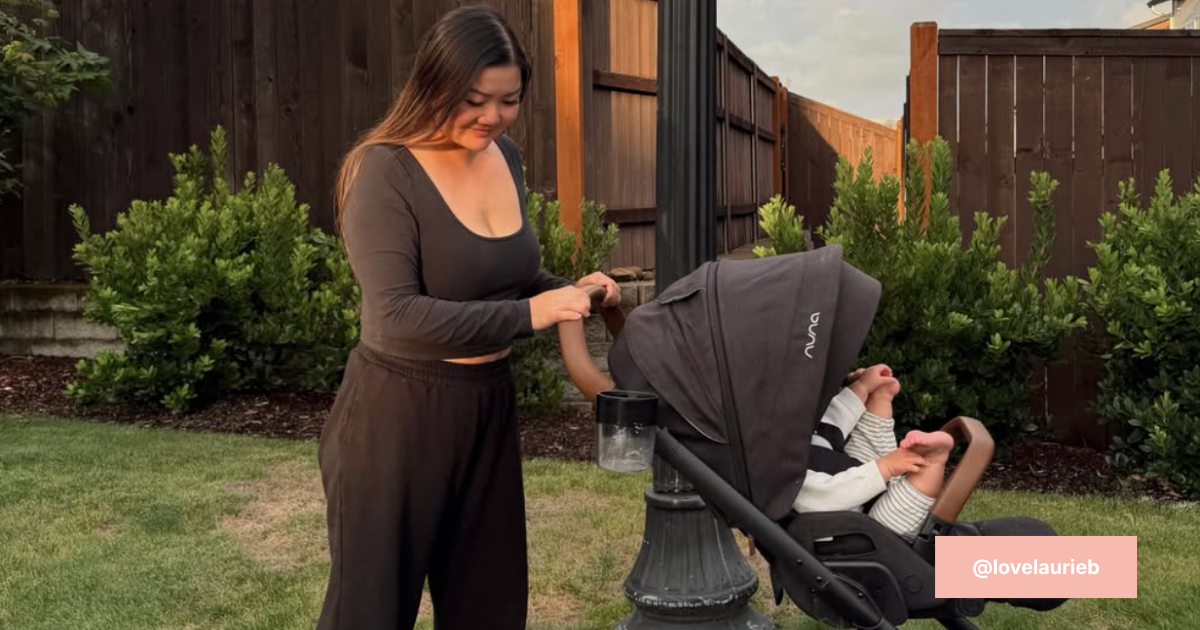
Micro influencer marketing works because trust scales down better than it scales up. A creator with 20,000 followers often replies to comments, answers DMs, and shares her real daily life. Her followers feel like they know her, so her recommendations carry weight.
Here's what brands typically gain:
- Higher engagement. Smaller audiences usually comment, save, and share more per follower than large ones. Our engagement rate benchmarks by platform show how this plays out for mom creators.
- Lower cost per creator. Micro creators on Instagram often charge $200 to $1,500 per post, compared with $2,500 or more for macro creators.
- More content for the budget. One macro post can cost the same as five to ten micro posts, which means more content to test in ads.
- Less risk. If one creator underperforms, it's a small part of your budget, not the whole campaign.
- Niche reach. Micro creators often focus on a specific audience, like toddler moms or first-time parents, which makes targeting easier.
When Micro Influencer Marketing Is the Right Fit
Micro influencer marketing isn't the answer for every goal, but it fits most consumer brands well.
It's usually the right choice when:
- Your product needs trust or explanation before someone buys.
- You sell to a specific audience, like parents of young kids.
- You want a steady stream of authentic content for ads and social.
- Your budget is modest, or you want to test before scaling up.
It may not be the best fit on its own when you need huge reach in a single day, such as a major national launch. In that case, many brands pair a few larger creators for reach with a group of micro creators for trust. Our post on micro-influencer moms vs. mega-stars compares the two for customer acquisition.
Micro vs. Macro at a Glance
| Metric | Micro Creators | Macro Creators |
|---|---|---|
| Followers | About 10K to 100K | 500K and up |
| Typical Instagram rate | $200 to $1,500 per post | $2,500 to $15,000+ per post |
| Engagement | Usually higher | Usually lower |
| Audience trust | High, feels personal | Lower, feels more like an ad |
| Reach per post | Smaller | Much larger |
| Best for | Trust, content, conversions | Mass awareness, big launches |
A 7-Step Micro Influencer Marketing Strategy
Step 1: Set One Clear Goal
Pick the single most important outcome for your first campaign. It could be sales, content for ads, or awareness in a new market. Your goal decides which creators you choose, which formats you ask for, and how you measure success.
Step 2: Define Your Ideal Creator
Describe the creator you want as clearly as you'd describe your customer. Think about her audience's location, her kids' ages, her content style, and the platforms she's strongest on. The more specific you are, the faster sourcing goes.
Step 3: Build Your Creator List
Start with people who already love your brand, like customers and followers who tag you. Then widen the search with niche hashtags, competitor partnerships, and creator platforms. Our guide to finding the right mom influencers walks through each method.
Aim for more creators than you need. Some won't reply, and some won't pass vetting.
Step 4: Vet Every Creator
Check engagement quality, audience location, content quality, and how often she posts sponsored content. Look for real conversations in the comments, not just emojis. Our list of red flags to watch for when vetting influencers makes this step faster.
Step 5: Write a Brief and Set Terms
A good brief shares your key messages, must-have talking points, and deadlines, then gives the creator room to tell the story her way. Pair it with a simple contract covering deliverables, payment, usage rights, and disclosure. Our tips for writing a great brief cover what to include.
Step 6: Launch in Waves
Instead of having every creator post on the same day, spread posts over a few weeks. This keeps your brand showing up in your audience's feed over time. It also gives you early results to learn from before the rest of the content goes live.
Step 7: Measure, Then Rebook Your Best
Track results by creator, not just in total. Look at reach, engagement, clicks, code redemptions, and sales where possible. Then rebook the creators who performed best. Repeat partnerships often outperform first posts because the audience sees the product again and again. Our guide on why ambassador programs outperform one-offs explains why.
How to Measure Micro Influencer Marketing
Measuring micro influencer marketing is easier when you decide on your metrics before the campaign starts.
- For awareness: reach, impressions, and follower growth on your brand account.
- For engagement: comments, saves, and shares relative to each creator's audience size.
- For sales: clicks, discount code use, affiliate link sales, and new customers.
- For content: the number of usable assets and how they perform when run as ads.
Keep in mind that many customers see a creator's post, then buy days later through another channel. Last-click numbers alone will undercount results. Our framework for measuring influencer campaign ROI shows how to get a fuller picture.
Common Micro Influencer Marketing Mistakes
A few avoidable mistakes hold back many micro programs:
- Working with too few creators. Two or three posts rarely give you enough data. Start with five to fifteen creators.
- Judging results too soon. A single week says very little. Give a campaign at least a couple of months.
- Over-scripting content. Micro creators work because they sound like themselves. Heavy scripts make content feel like an ad.
- Forgetting usage rights. Some of the best micro content ends up in paid ads. Secure the rights upfront.
- Treating creators as one-offs. Relationships compound. Keep in touch with creators who perform well.
Scaling a Micro Influencer Program
Scaling is where micro influencer marketing gets harder. Managing five creators is simple. Managing fifty means dozens of briefs, shipments, drafts, and payments every month.
To scale without burning out your team:
- Build a roster of proven creators you can rebook quickly.
- Use templates for briefs, contracts, and outreach messages.
- Centralize approvals and payments in one tool instead of email and DMs.
- Consider outside help once campaigns become a monthly habit.
Our post on why mom influencer campaigns stop scaling covers the most common bottlenecks and how to fix them.
How Momfluence Helps Brands With Micro Influencer Marketing
Micro influencer marketing works best when you can find the right creators quickly and manage them without drowning in admin. For parenting and family brands, that means finding moms whose kids, lifestyle, and audience match your customer.
Momfluence gives brands access to more than 8,000 pre-vetted mom creators across North America, most of them in the nano and micro tiers where trust is highest. On our self-serve platform, you can post campaigns, review creators, approve content, and track results, with no minimum spend and month-to-month plans. If you'd rather hand it off, our agency team can run your micro program from strategy to reporting.
Frequently Asked Questions
What is micro influencer marketing?
Micro influencer marketing is partnering with creators who have about 10,000 to 100,000 followers to promote a brand, usually through sponsored posts, Reels, Stories, or UGC.
How much does micro influencer marketing cost?
On Instagram, micro creators often charge $200 to $1,500 per post. Total campaign cost depends on how many creators you book, the formats you choose, and any usage rights.
How many micro influencers should I work with?
Five to fifteen creators is a strong starting point for a first campaign. It gives you enough content and data to see what works.
Is micro influencer marketing better than working with big influencers?
For trust, engagement, and cost per result, micro creators often win. Big influencers are better for fast, massive reach. Many brands use both.
Start Your Micro Influencer Program
Micro influencer marketing is one of the most reliable ways for consumer brands to build trust and drive sales. If your customers are parents, Momfluence can connect you with pre-vetted mom creators ready to partner.
Book a call with our team to talk through your goals, or explore our pricing to get started on the platform today.